PPE-equipped technician removing construction dust from window frames and baseboards in a renovated office suite

Construction cleanup in Des Moines

Post Construction Cleaning in Des Moines

Cleaning that turns a finished build into a space you can hand over: phased rough, final, and touch-up work on dust, residue, protective film, and everything the punch list is about to find.

✓Three phased cleans
✓Trade schedule coordination
✓Punch-list re-clean
✓Occupancy-ready handover

Handover work

Construction dust does not behave like dirt

Drywall dust is fine, light, and alkaline. It migrates into every cavity, rides air currents hours after sweeping, settles again overnight, and turns to paste the moment it meets a wet mop. Concrete dust is abrasive and scratches whatever it sits on. Neither one surrenders to a single pass, which is why this work is organized in phases instead of booked as one visit.

Des Moines Commercial Cleaning works with general contractors, property managers, and owners on tenant improvements, remodels, and new buildouts around the metro. The job is measured against a date: the certificate of occupancy, the owner walkthrough, the tenant's moving truck. Everything in the scope is arranged to protect that date, including the re-clean after the punch list comes back.

If you are comparing providers, start by looking for three things: a written scope that matches your space, a schedule that protects productivity—before hours, after hours, or low-traffic windows—and a plan for floors. Floors show wear fast in Iowa winters and wet spring days, and they are usually the first place a “quick clean” falls short.

For businesses that need help beyond office environments, our team also handles broader commercial cleaning services in Des Moines with the same approach: define the scope, set the routine, then verify the results.
Request a Callback

The phases

Rough, final, and touch-up explained

Rough clean

After framing, drywall, and mechanical rough-in: debris staged for the contractor's dumpster, floors swept and vacuumed, surfaces knocked down, and the space made workable for the trades that follow. This pass is about volume rather than detail.

Dust knockdown passes

Between trades, repeat HEPA vacuuming of walls, ledges, frames, electrical boxes, duct openings, and ceiling grid. Each pass catches what settled out of the air since the last one, and skipping them is the usual reason a final clean fails.

Final clean

The detail pass once trades are out: fixtures, glass, cabinet and drawer interiors, appliance surfaces, hardware, millwork, baseboards, diffusers, switch plates, and floors cleaned by whatever method the installed material allows.

Residue and film removal

Adhesive, caulk smears, paint specks, grout haze, mud splatter, label glue, and the protective film on windows, elevator panels, appliances, and plumbing fixtures. Each gets a method chosen so the new surface survives the removal.

Glass and frame detail

Interior and exterior glass after trim and paint, including frames, tracks, and sills where dust packs in hard. Labels and stickers come off carefully, with attention to coated or tempered glass that scratches under a blade.

Punch-list re-clean

When the walkthrough list comes back, the areas named get cleaned again, along with whatever the trades disturbed while fixing them. This pass is scoped and priced up front so it is not an argument in the final week.

Request a Callback

Dust control

Controlling the dust

The difference between a clean that holds and one that is dirty again by morning is whether dust gets captured or merely moved. Air handling matters here as much as wiping does.

We match methods to the material and the condition:

  • HEPA-filtered vacuums on walls, ledges, and framing instead of dry sweeping and dusters that put dust back into the air
  • Wet methods only after dry removal is finished, because water turns drywall dust into a film that is harder to lift
  • Coordination with your mechanical contractor on filter changes and whether the system should run during cleaning
  • Doors, openings, and completed areas sealed or protected so finished space is not recontaminated by active work

A good floor plan is measurable. You can see it in cleaner corners, fewer black heel marks, and entry lanes that do not turn gray halfway through the week. If you are already using walk-off mats, we will treat them as part of the system and build routines around keeping the entry clean, not just the middle of the room.

Request a Callback
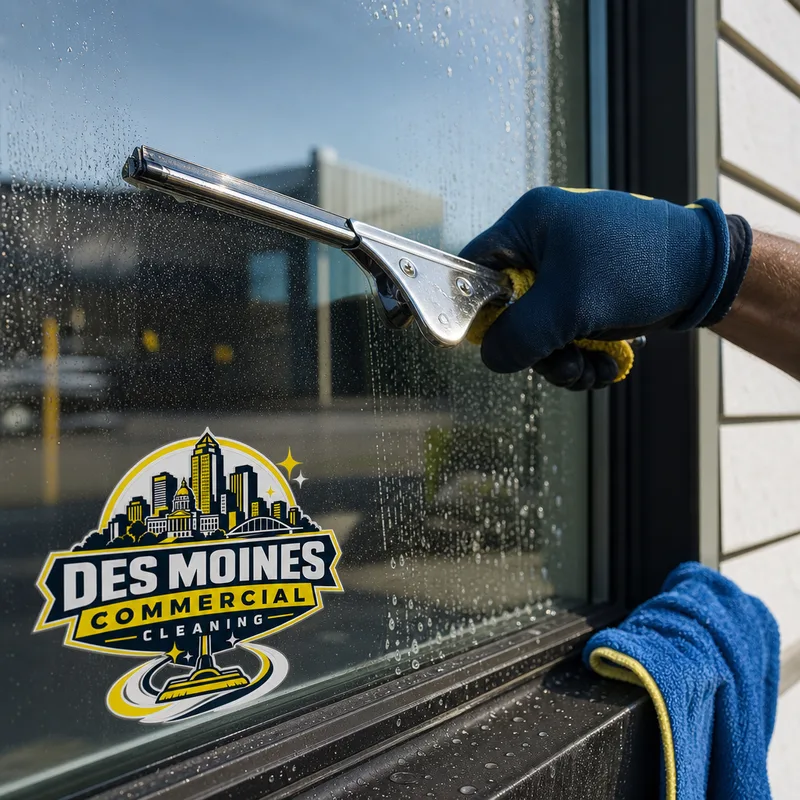
Squeegee pulling clean water from commercial window glass beside a microfiber detail towel

Project types

Builds and remodels we clean up after

Scope and sequencing change with the project, but the phase structure holds whether it is a single suite or a whole building.

Common deep cleaning scopes include:

  • Tenant improvements and suite buildouts in multi-tenant professional and medical buildings
  • Retail, restaurant, and salon buildouts heading for a fixed opening date
  • New construction turnover for workplaces, warehouses, and light industrial shells
  • Occupied-building remodels where a finished area has to stay usable next to active work
  • Small jobs and single rooms, including a replaced floor, a new restroom, or a repaired water-damaged space

Deep cleaning is also useful before a VIP visit, after a long stretch of heavy occupancy, or when switching cleaning providers. It creates a clear baseline so everyone can tell what “clean” looks like in your building.

If you manage multi-tenant suites, deep cleaning between occupants can shorten turnover time because the space shows better during walkthroughs, and issues are easier to document and address.

Request a Callback

Working with the GC

Fitting into your schedule

01

Scope and drawings

We start from the finish schedule and a walk of the site: what materials are going in, what is already installed and vulnerable, square footage by area, and which phases you want us on. Drawings help, and a walk helps more.

02

Phase dates

Rough, knockdown, final, and re-clean each get a target window tied to your trade sequence. Final cleaning after the last dusty trade is the one date that cannot move without the whole thing losing its value.

03

Site logistics

We confirm dumpster use and what is off limits in it, water and power availability, elevator and hoist access, parking and badge rules, and who locks up. Debris removal needing a container or a haul-off is quoted separately.

04

The final pass

Crews work by area and sign off area by area, so your superintendent can release finished space instead of waiting on a whole floor. Protective film and labels come off last, keeping surfaces covered as long as possible.

05

Walkthrough and re-clean

We walk it with you or your superintendent before the owner does. Items on the punch list come back to us as a list with locations, and the re-clean is scheduled against your inspection date.

Request a Callback
Cleaning technician mopping and detailing a bright modern office corridor with a stocked cleaning cart

Protecting new finishes

Not damaging the build

On a handover job the real risk is not missed dust, it is a scratched panel or a clouded floor that becomes somebody's warranty problem. New surfaces are at their most fragile before anyone has used them.

We handle post-construction cleanup for office buildouts and renovations across Des Moines, with scopes that typically include:

  • Floor materials cleaned by the installer's instructions, with new VCT given its cure time before any finish goes down
  • Blades and abrasives kept off coated glass, stainless, acrylic panels, and powder-coated metal, with gentler solvents tested first
  • Stone, quartz, and sealed wood handled with pH-appropriate products rather than general-purpose cleaners
  • Fixtures, trim, and hardware checked for existing damage before we start, then reported rather than cleaned over
  • Clear limits on removal: cleaning residue is ours, while construction debris and surplus material stay with the contractor unless quoted

If the project is still active, we can coordinate around trades and target specific areas so you can open on schedule. For property managers and contractors, the goal is simple: the space should be clean enough for punch lists, walkthroughs, and move-in without rework.

For facility types that need heavier-duty protocols, the considerations overlap with industrial cleaning in Des Moines, especially around dust control and floor protection during turnover.

Request a Callback

Quoting a project

How Much Does Post Construction Cleaning Cost in Des Moines?

This work is usually estimated per square foot across the phases you need. A final clean on its own commonly estimates around $0.25 to $0.75 per square foot, while a full program of rough clean, knockdown passes, final detail, and a punch-list re-clean more often falls between roughly $0.40 and $1.25 per square foot. Small jobs and single rooms get quoted as a flat project figure or by crew hour instead, because mobilization is a real share of the cost.

What moves it: how much glass and millwork there is, cabinet and drawer count, the floor materials and their cleaning requirements, how clean the trades left the site, how many knockdown passes the schedule needs, restroom fixture count, ceiling height, and whether night or weekend work is required to protect an opening date. Every figure here is for budgeting. A written quote follows a site visit and a look at the finish schedule.

Request a Callback

Handover answers

Questions contractors and owners ask about final cleaning

When should the final clean happen?

After the last trade that makes dust, and that rule is worth defending on a schedule. Flooring, trim carpentry, paint touch-up, and ceiling grid work all shed. Book a final clean before them and you are paying for a pass that gets undone, then paying again before the owner walks the space.

Do you remove construction debris and material?

Cleaning residue, packaging, offcuts lying in the space, and dust are part of our work, and we stage bagged waste wherever you tell us. Hauling, dumpster supply, and removal of material such as leftover drywall sheets or stripped-out fixtures are separate items, quoted if you want them. Settling that line early avoids the usual end-of-project disagreement.

Can you clean a finished area while trades work elsewhere?

Yes, and it is common on phased handovers. The condition is a real separation: closed doors, sealed openings, protected floors, and a route for trades that does not cross the finished space. Without that, dust travels and the finished area needs doing again, so we will say plainly when a proposed sequence will not hold.

How do you get stickers, film, and adhesive off without damage?

Slowly, with the surface deciding the method. Protective film is peeled, labels are softened before lifting, and adhesive is released with a solvent matched to the material and tested somewhere hidden. Blades stay off coated glass, stainless, and acrylic. Film left on past its intended window bakes to the surface, so removal gets scheduled rather than left to the end.

What does your punch-list re-clean include?

The areas named on the walkthrough list, plus the mess made by whoever went back to fix the item, since patching, paint touch-up, and fixture swaps all create new dust. We take your list with locations, clean those areas again, and walk it with you. Quoting this pass up front keeps it from turning into a change order during inspection week.

Do you work with general contractors or only owners?

Both. With a general contractor we work from the finish schedule, report to the superintendent, and sign off area by area. With an owner or property manager we usually come in later, often when a final clean was underestimated and a move-in date is close. Either way, the phase structure and the written scope are the same.

Get on the schedule

Plan the clean around your occupancy date

Send the square footage, your finish schedule, and the date the space has to be ready. We will walk the site and quote the phases you need, including the punch-list re-clean.

Request a quote

Tell us about your facility

Send the details and we will arrange a walkthrough, then follow up with a written scope and a price you can compare line by line.